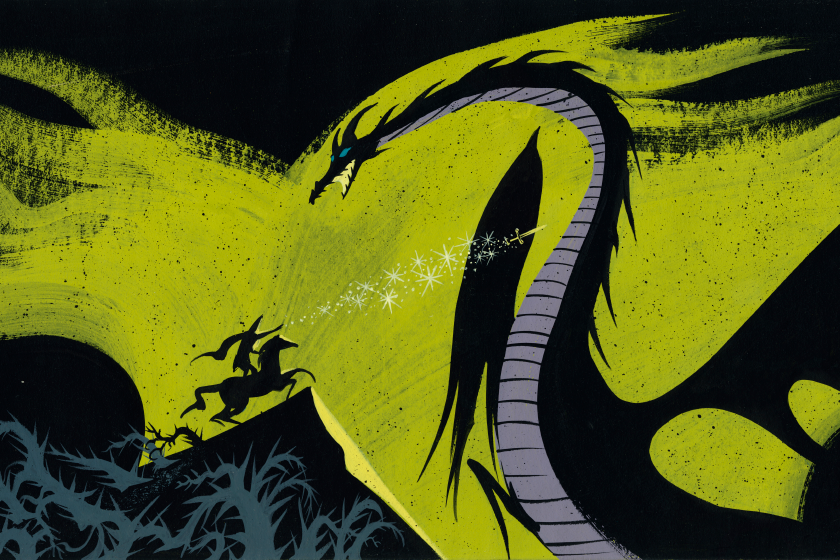
The exhibition that filled a museum with Eyvind Earle’s Sleeping Beauty forests is back. Awaking Beauty: The Art of Eyvind Earle opens Friday, October 23 at The Walt Disney Family Museum in San Francisco, with about 200 works filling a newly redesigned Lower Level, including the museum’s new Exhibition Gallery. More than 35 of the paintings have never been shown at the museum before.
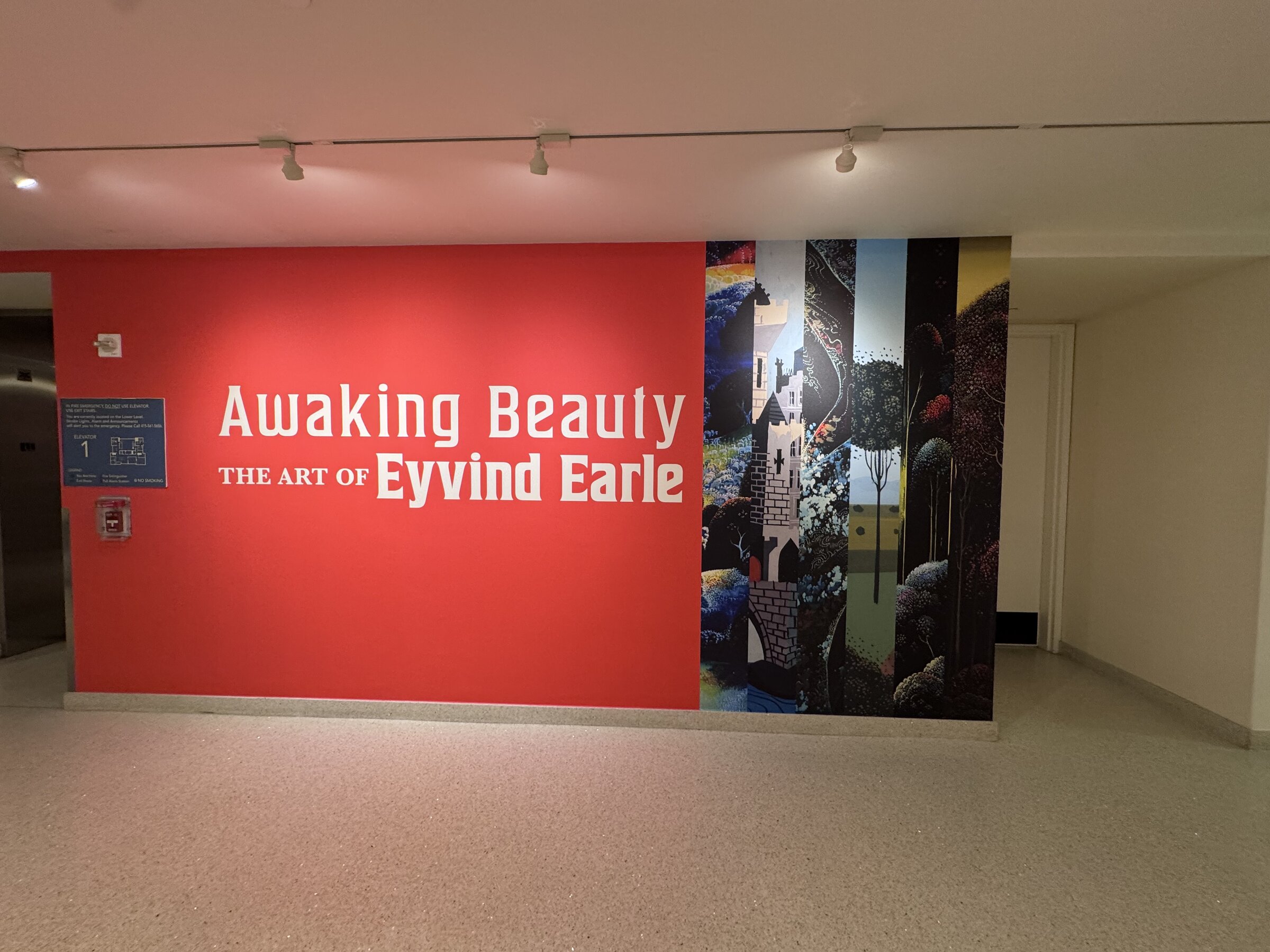
We walked the galleries at Wednesday’s press preview, and the show covers far more than Sleeping Beauty. It runs from Earle’s childhood and a cross-country bike ride through his Disney years, a room of vintage film posters, decades of fine art and hands-on activities for all ages.
Members get in a day early, on Thursday, October 22, and the run continues through Sunday, April 18, 2027. The show is co-curated by Ioan Szasz, CEO of Eyvind Earle Publishing, who began working with the artist in 1988, and Marina Villar Delgado, the museum’s Director of Collections and Exhibitions.
Before Disney: A Bike Ride Across America
Earle’s father, Ferdinand Pinney Earle II, made a 10-year-old Eyvind either read 50 pages of a book or paint a picture every day. He chose both. As a child he contracted polio, which left the right side of his face permanently paralyzed, an experience Earle later called “the most powerful influence in my whole life.” He had his first solo show at 14, in France, in 1930.
The trip that launched his career came in 1937, when he was 21. Partly funded by his uncle, the Pulitzer Prize-winning poet William Carlos Williams, Earle bicycled from Hollywood to Monroe, New York, in 45 days, painting and selling watercolors along the way. Paintings from that ride became his first New York solo show at the Charles Morgan Gallery, and the Metropolitan Museum of Art later bought one of his paintings for its permanent collection.
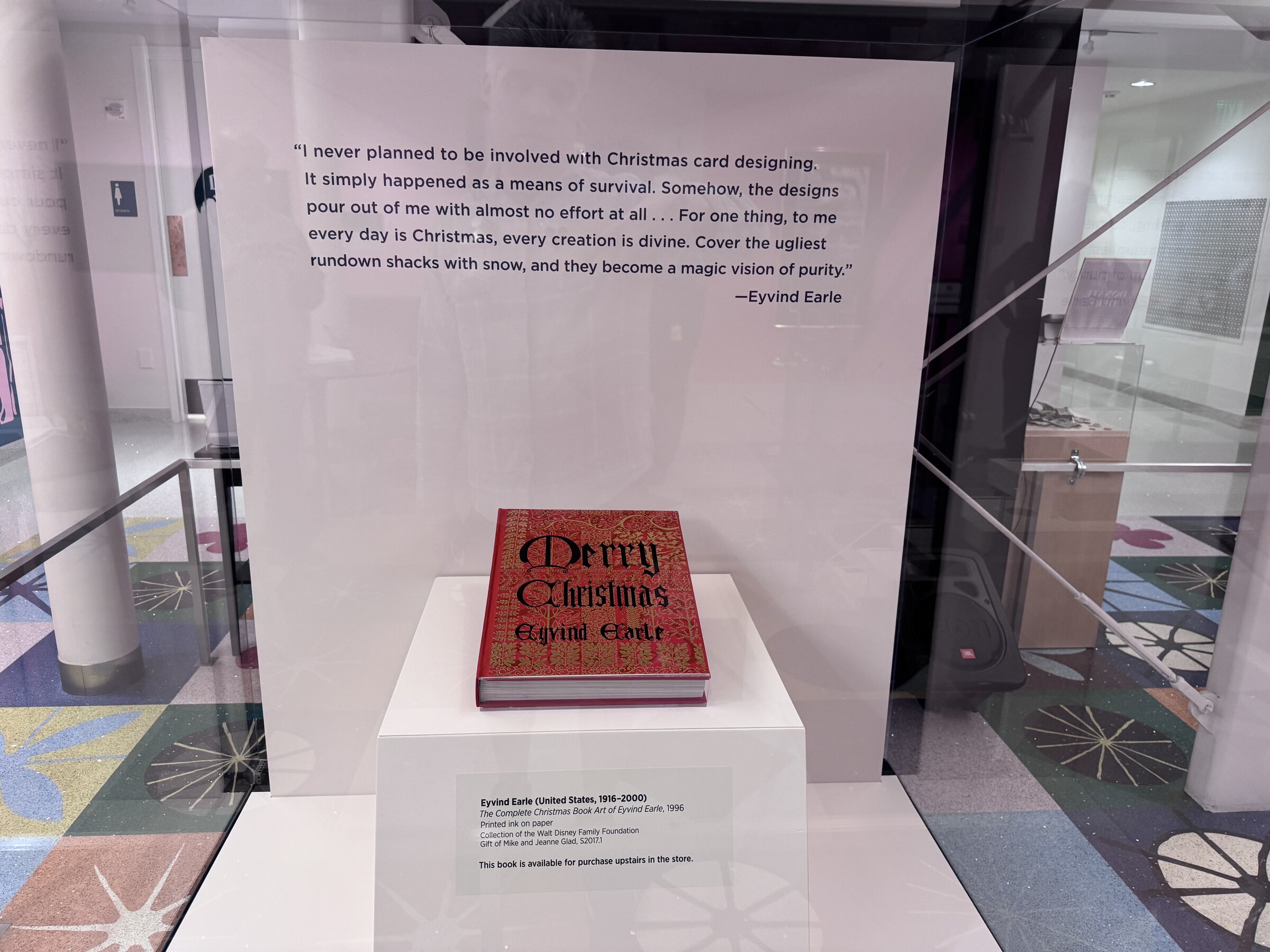
He was drafted into the Navy in 1943 and spent much of the war at Jacksonville Naval Air Station painting portraits, watercolors and a four-by-eight-foot mural of Navy life. He was also designing Christmas cards, a sideline that started in 1939 to support himself and his mother. By 1995 he had created more than 800 Christmas card designs, and he estimated the American Artists Group had sold well over 300 million of them.
The Man Who Gave Sleeping Beauty Its Look
Earle had applied to Disney unsuccessfully more than 15 years before he was finally hired in 1951. His first job was assistant background painter on the short The Little House (1952), and he estimated he painted at least 100 backgrounds for Peter Pan.
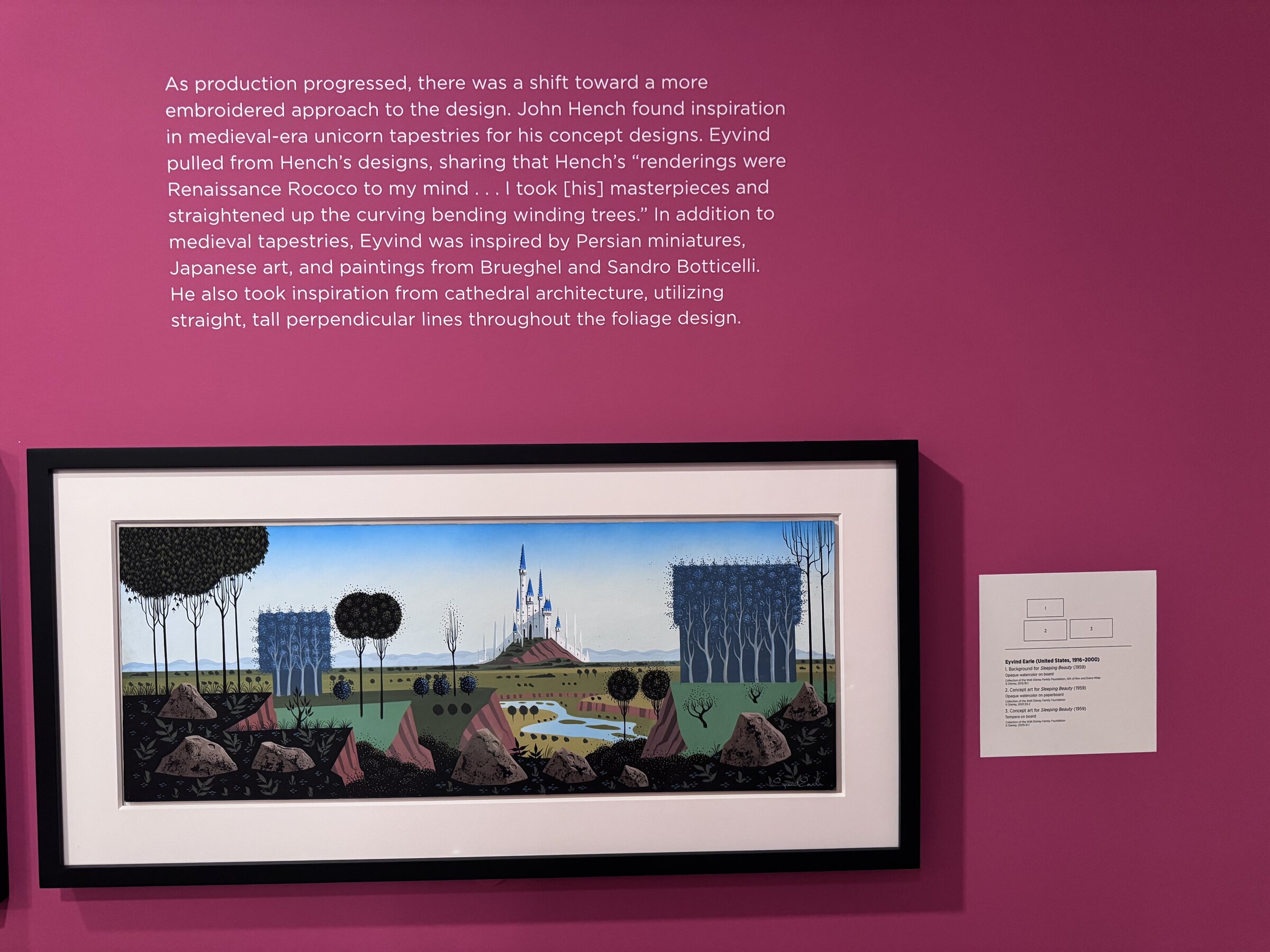
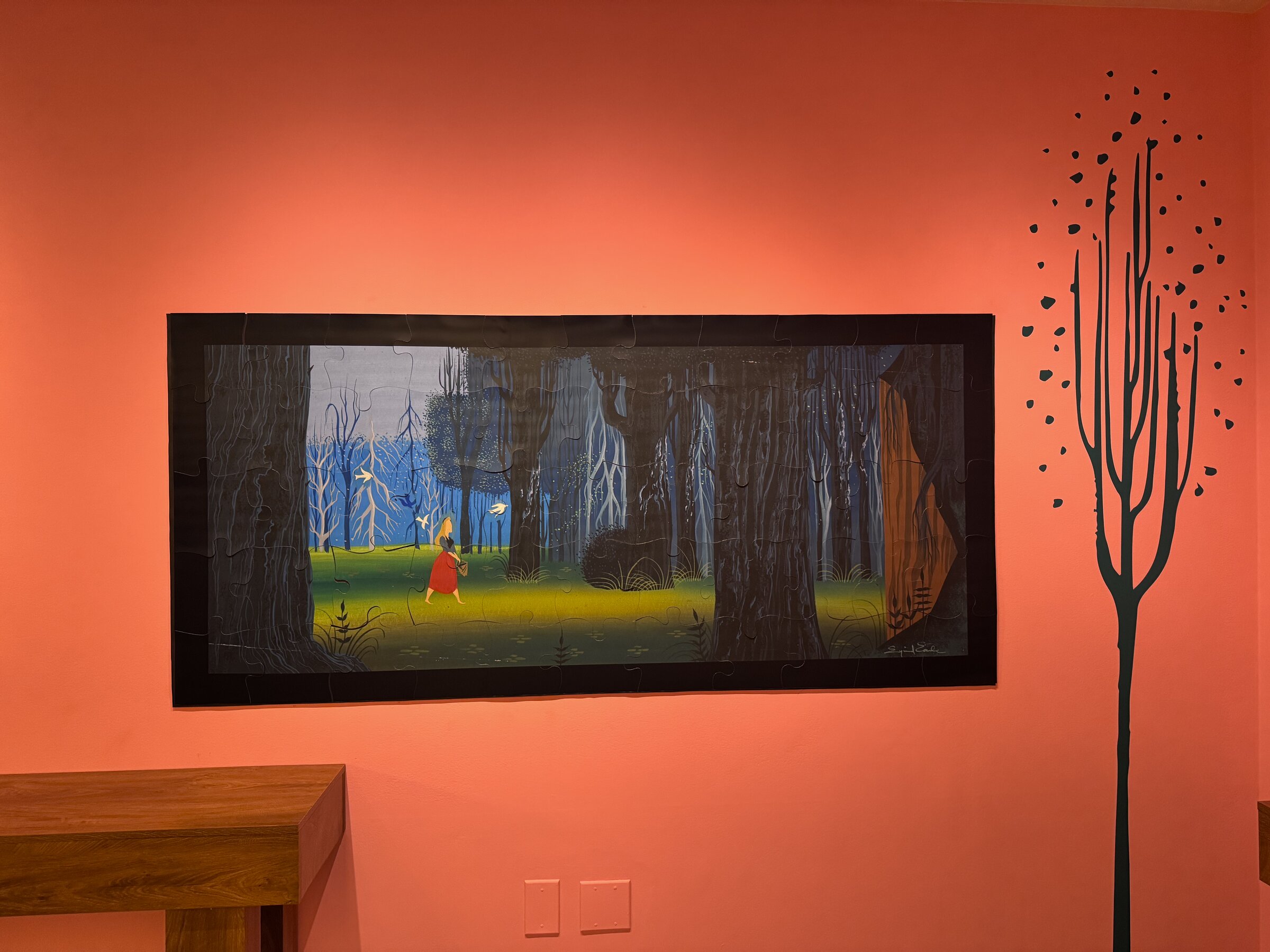
On Sleeping Beauty (1959) he was the color stylist, which at Disney meant he decided not just the palette but the entire visual look of the film. His backgrounds borrowed from medieval tapestries, illuminated manuscripts and pre-Renaissance Northern European painting, and some took close to ten times longer to finish than a typical Disney background.
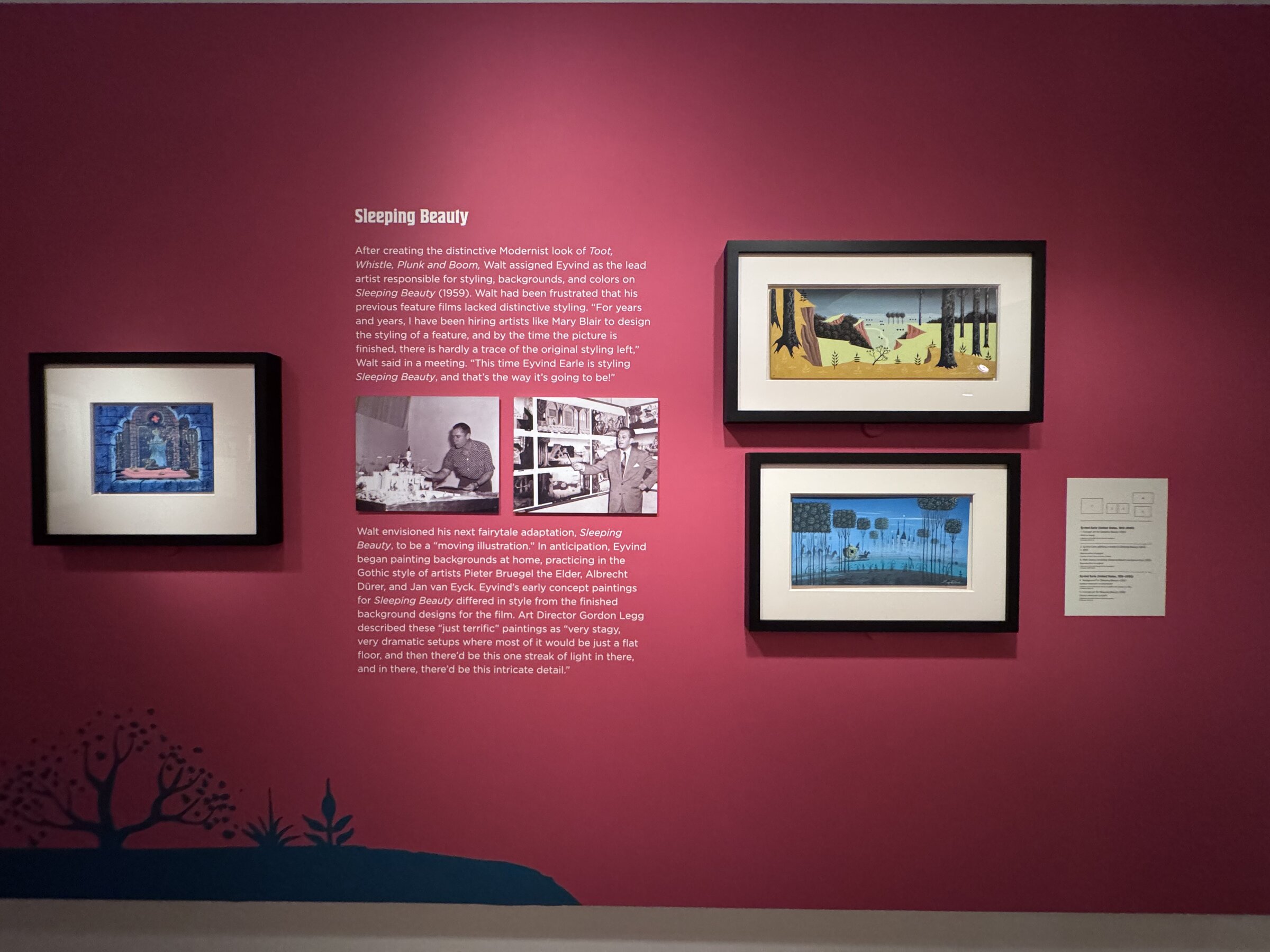
Walt explained the choice in a meeting. “For years and years, I have been hiring artists like Mary Blair to design the styling of a feature, and by the time the picture is finished, there is hardly a trace of the original styling left,” he said. “This time Eyvind Earle is styling Sleeping Beauty, and that’s the way it’s going to be!”
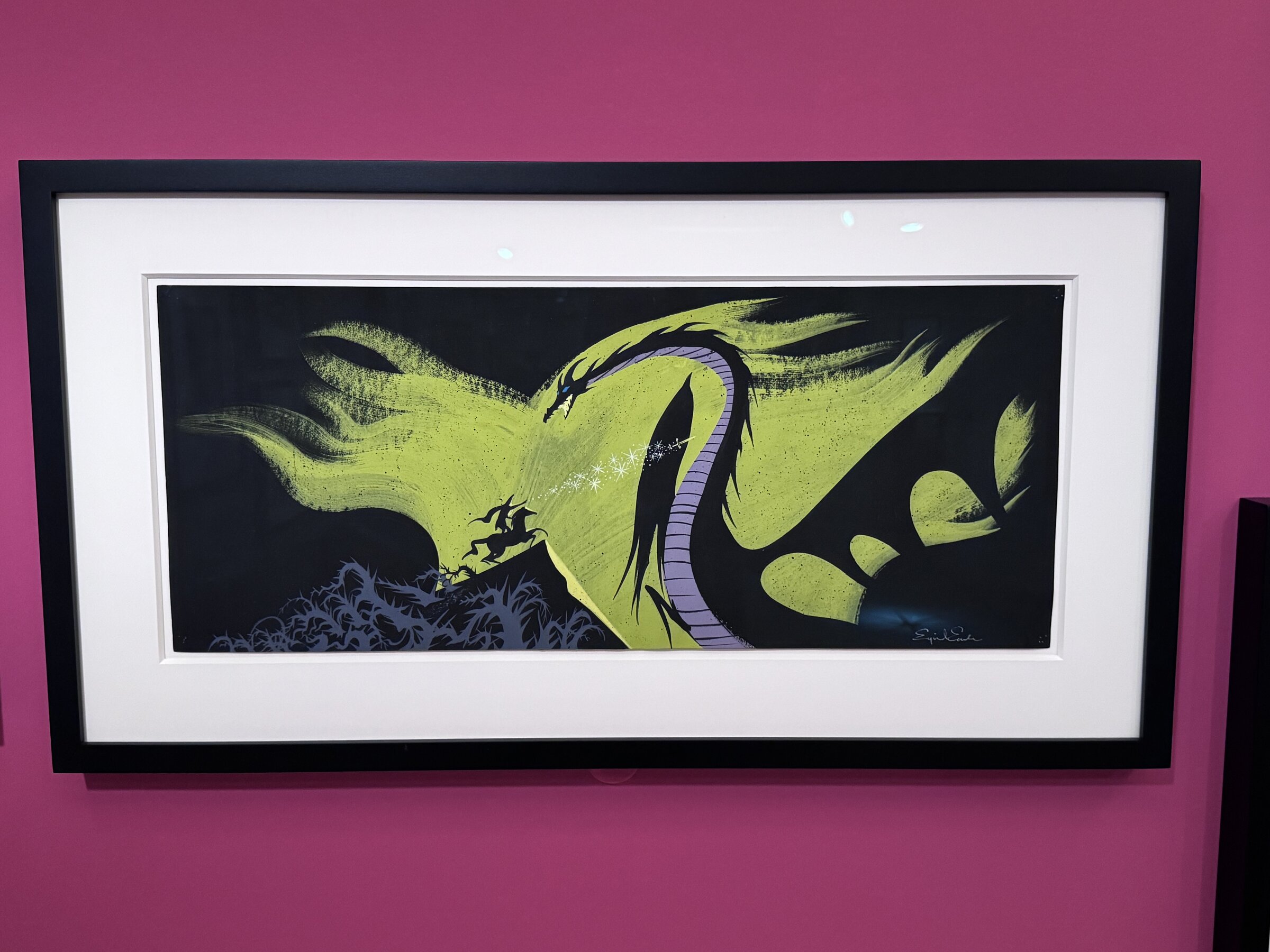
Earle worked from a private room at the studio, making hundreds of small sequence sketches and sometimes spending a full week on a single background. At the height of production he oversaw at least ten background painters who learned his style from tutorial panels.
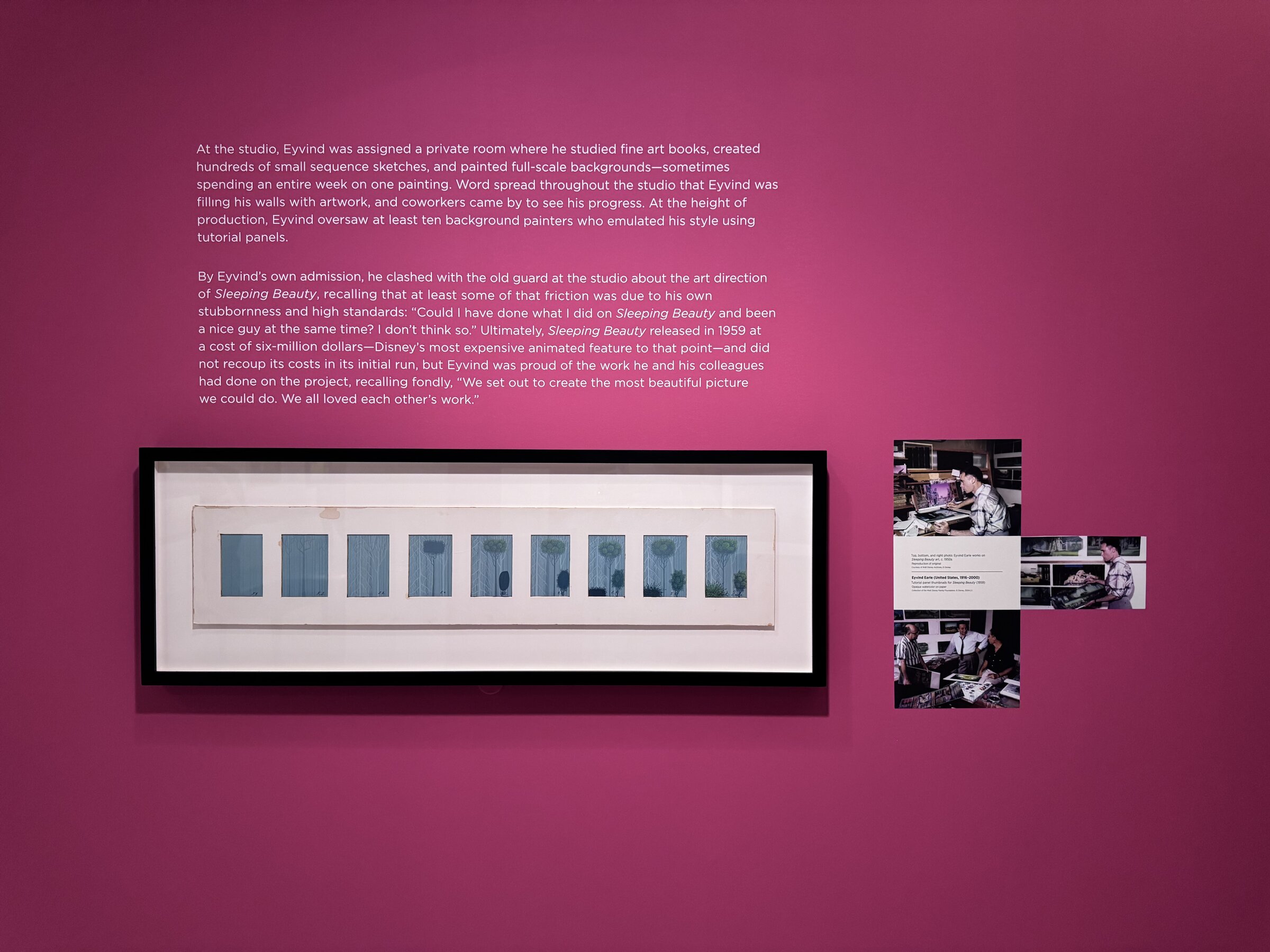
He clashed with the studio’s old guard over the film’s look, and he owned it. “Could I have done what I did on Sleeping Beauty and been a nice guy at the same time? I don’t think so,” he said. The film cost $6 million, Disney’s most expensive animated feature to that point, and did not earn it back in its first run.
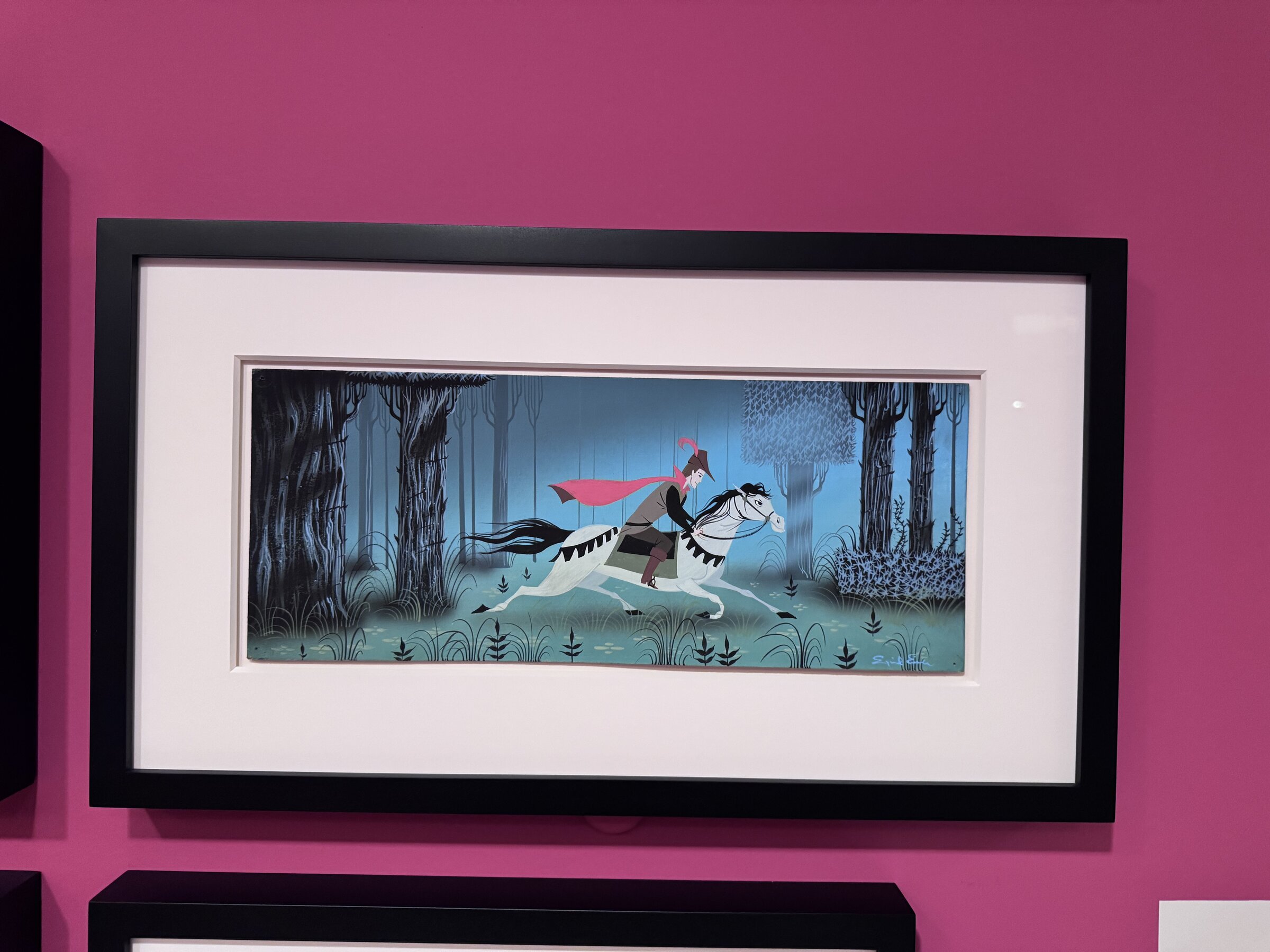
Those famously straight trees started with John Hench’s designs based on medieval unicorn tapestries. “I took [his] masterpieces and straightened up the curving bending winding trees,” Earle said, borrowing the vertical lines of cathedral architecture.
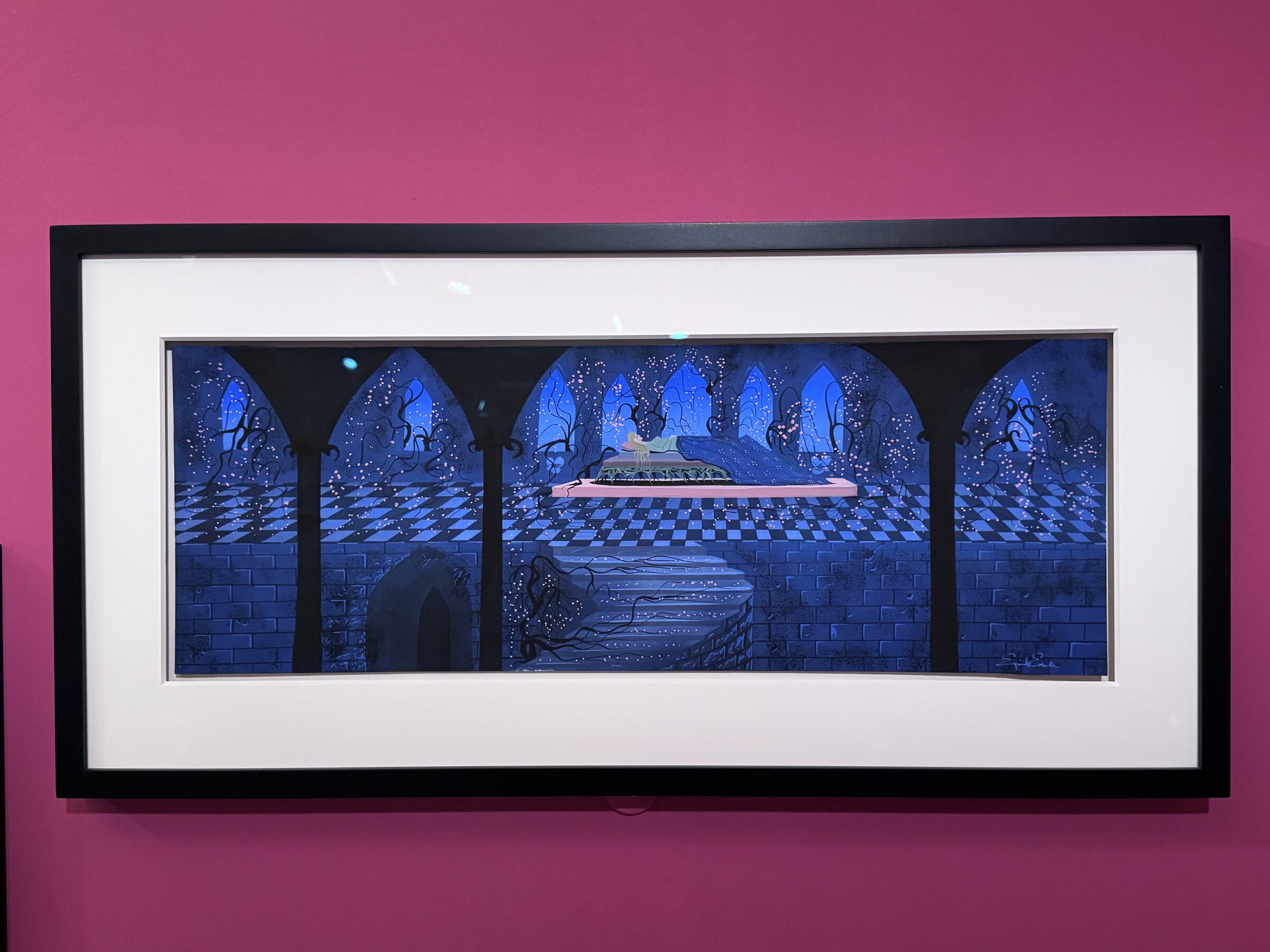
He left Disney once his Sleeping Beauty work was done, and word reached Walt first. “One day Walt Disney passed me in the hallway, and he said to me, ‘I hear you’re going to leave us,’ and I answered, ‘I guess I have to find out what I can do on my own,’ and that was all that was ever said,” Earle recalled. He still called his years at the studio “the greatest art school in the whole world.” Disney named him a Disney Legend in 2015, fifteen years after his death.
Lady And The Tramp’s Bella Notte
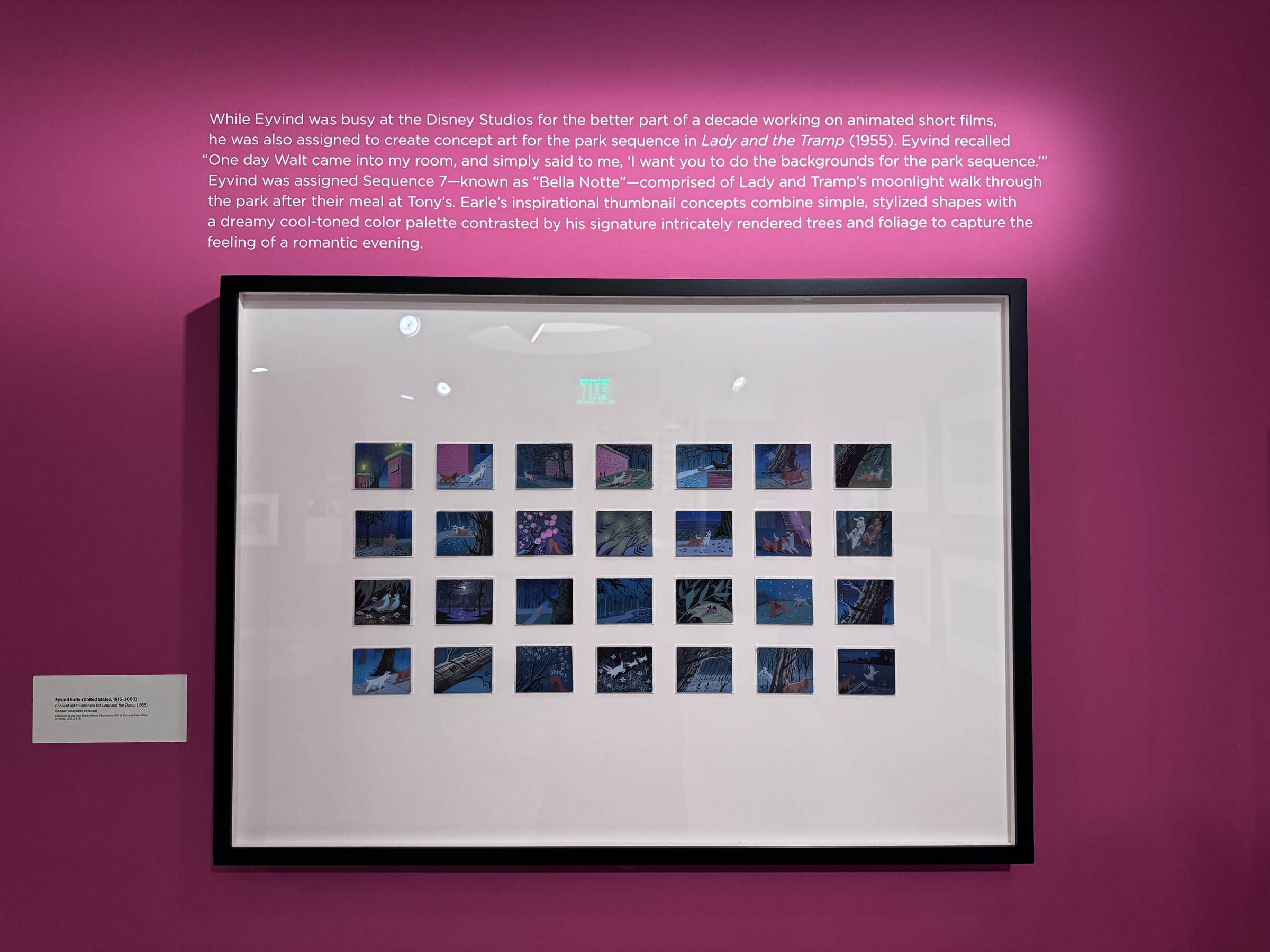
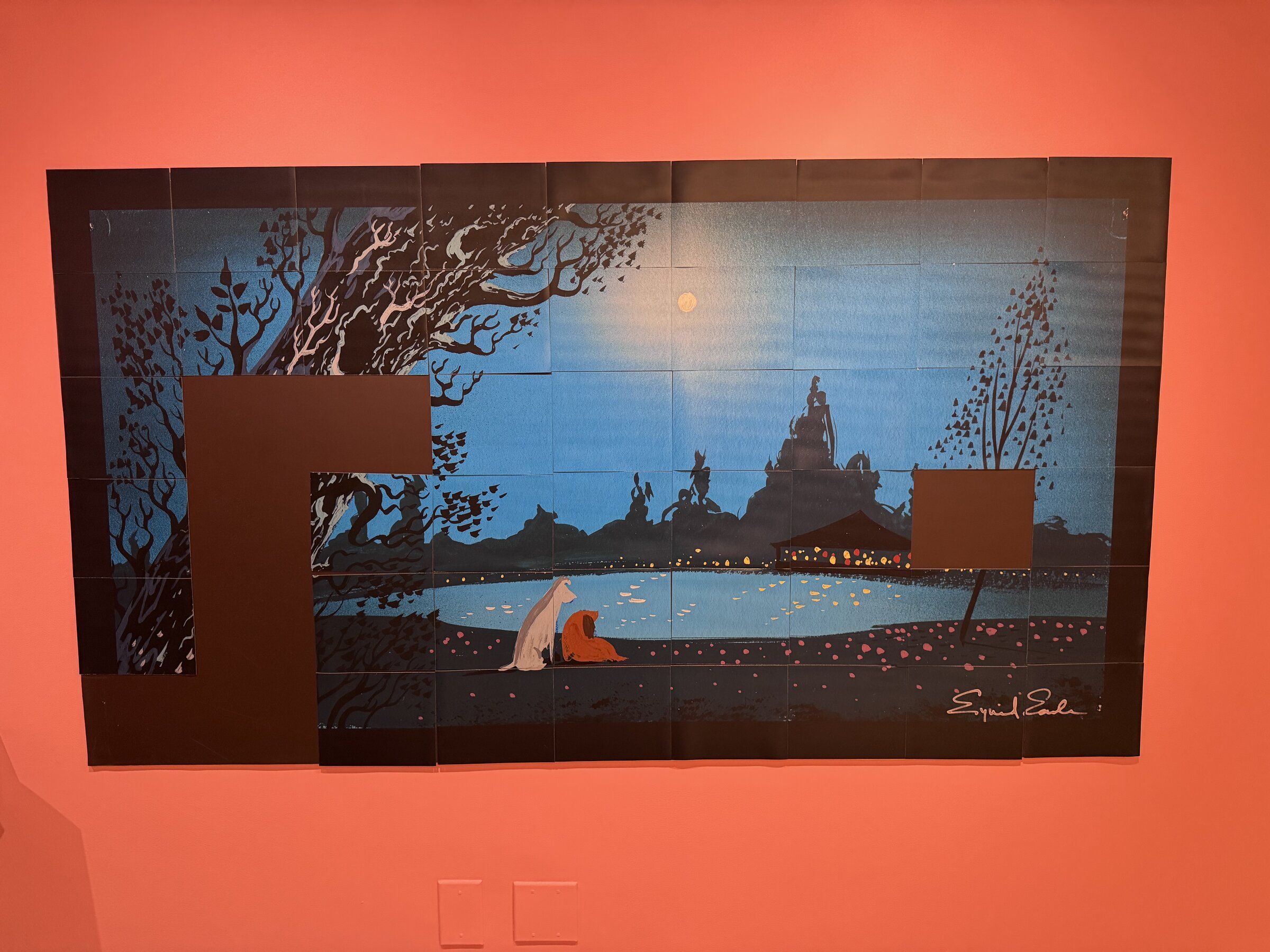
Before Sleeping Beauty, Walt handed him Lady and the Tramp’s park sequence. “One day Walt came into my room, and simply said to me, ‘I want you to do the backgrounds for the park sequence,'” Earle recalled. That was “Bella Notte,” Lady and Tramp’s moonlit walk after dinner at Tony’s, and his small, cool-toned thumbnails for it hang beside larger concept paintings.
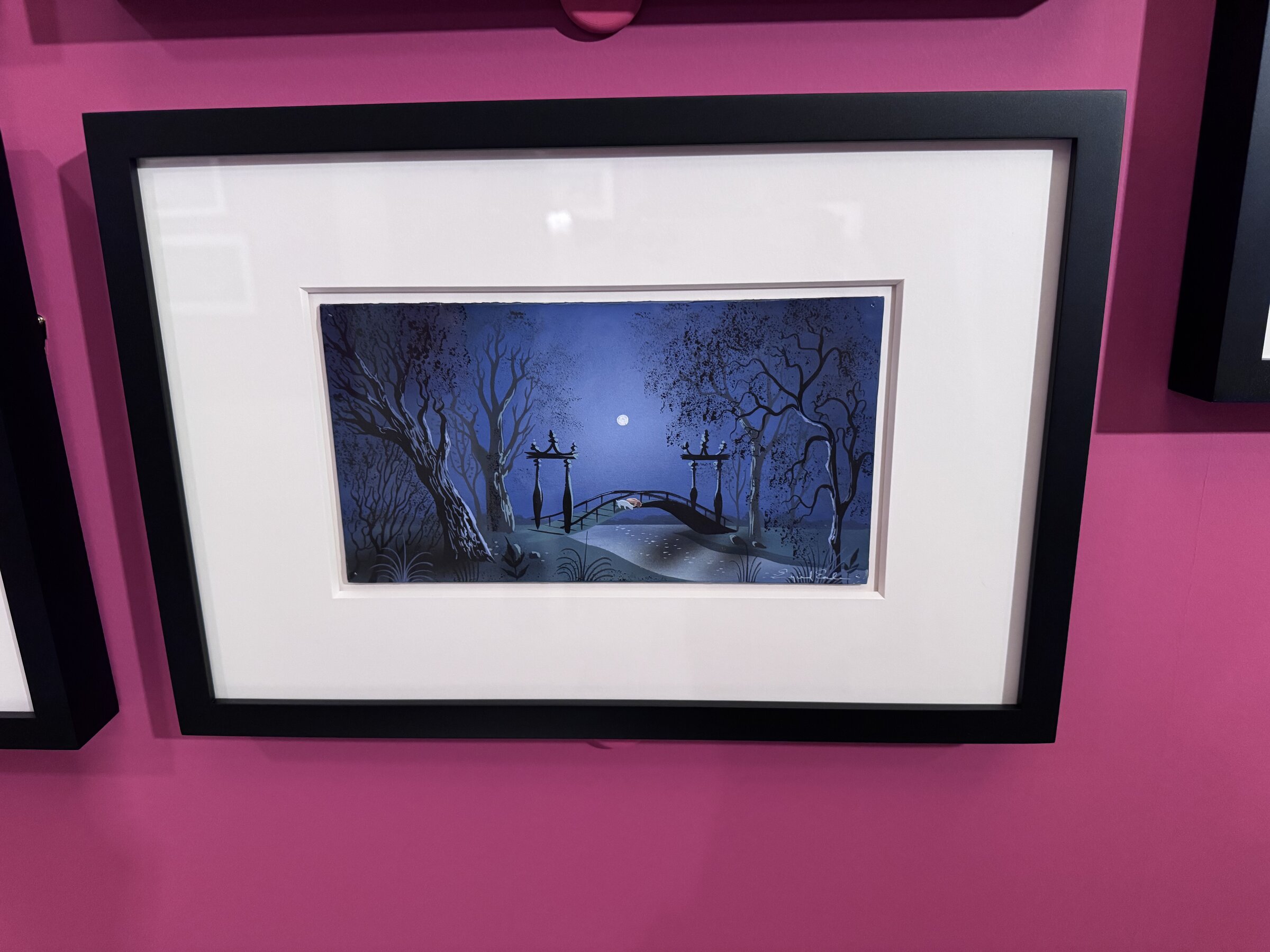
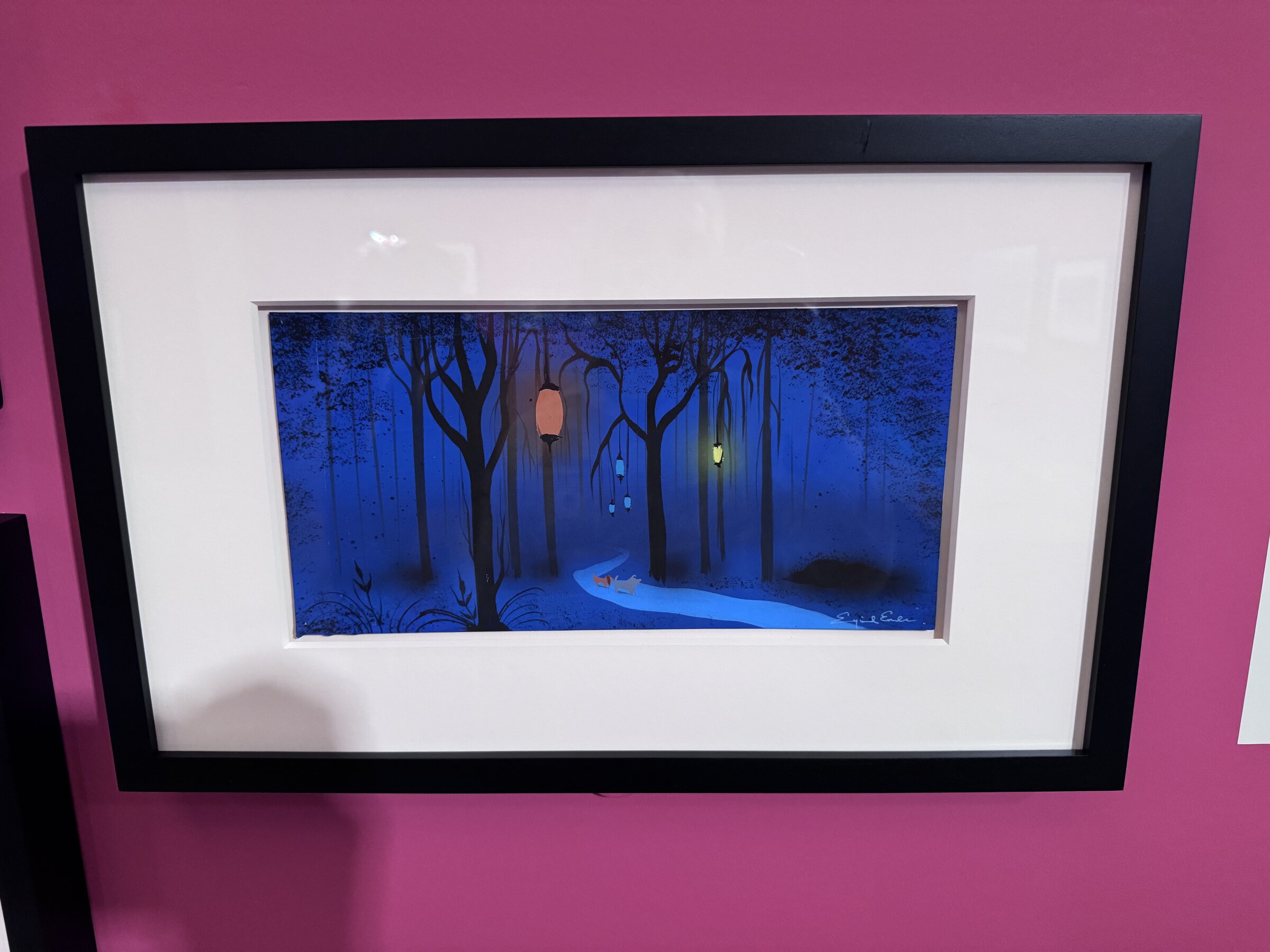
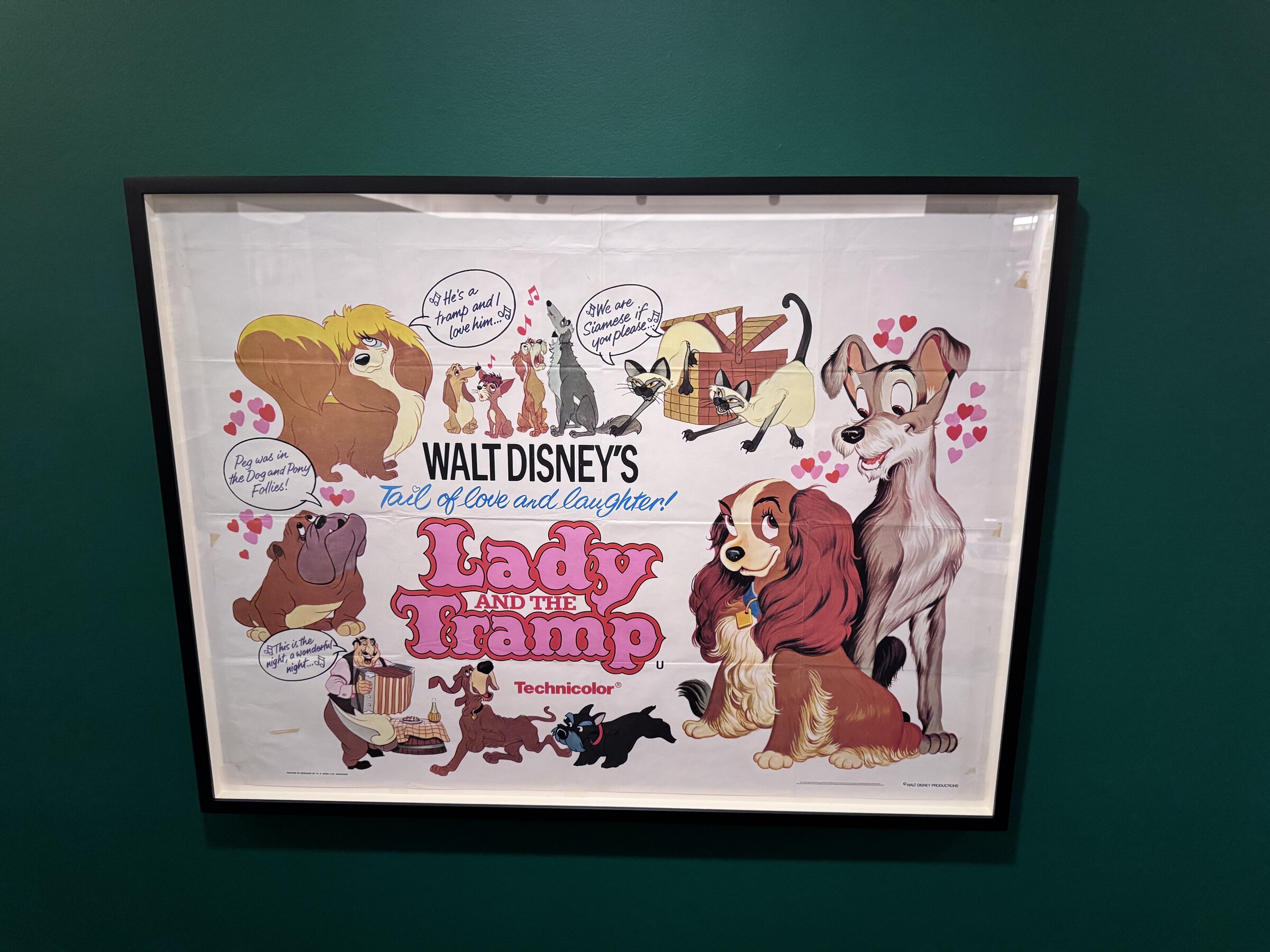
A separate Film Posters room collects releases of both films from around the world, from a French La Belle au Bois Dormant re-release to Polish, Danish, Italian, Japanese and Czechoslovakian one-sheets.
What Is New This Time
The 2017 version was one of the museum’s most celebrated shows. This one puts the Disney years next to the serigraphs and landscape paintings Earle made as a fine artist, the work that made him one of California’s most collected artists. “He redefined what a Disney background could be, and then he spent the rest of his career proving that vision was only the beginning,” said co-curator Marina Villar Delgado.
The fine art paintings run from the 1970s into the 1990s, several of them on loan, and little of this side of his work was exhibited during his lifetime.
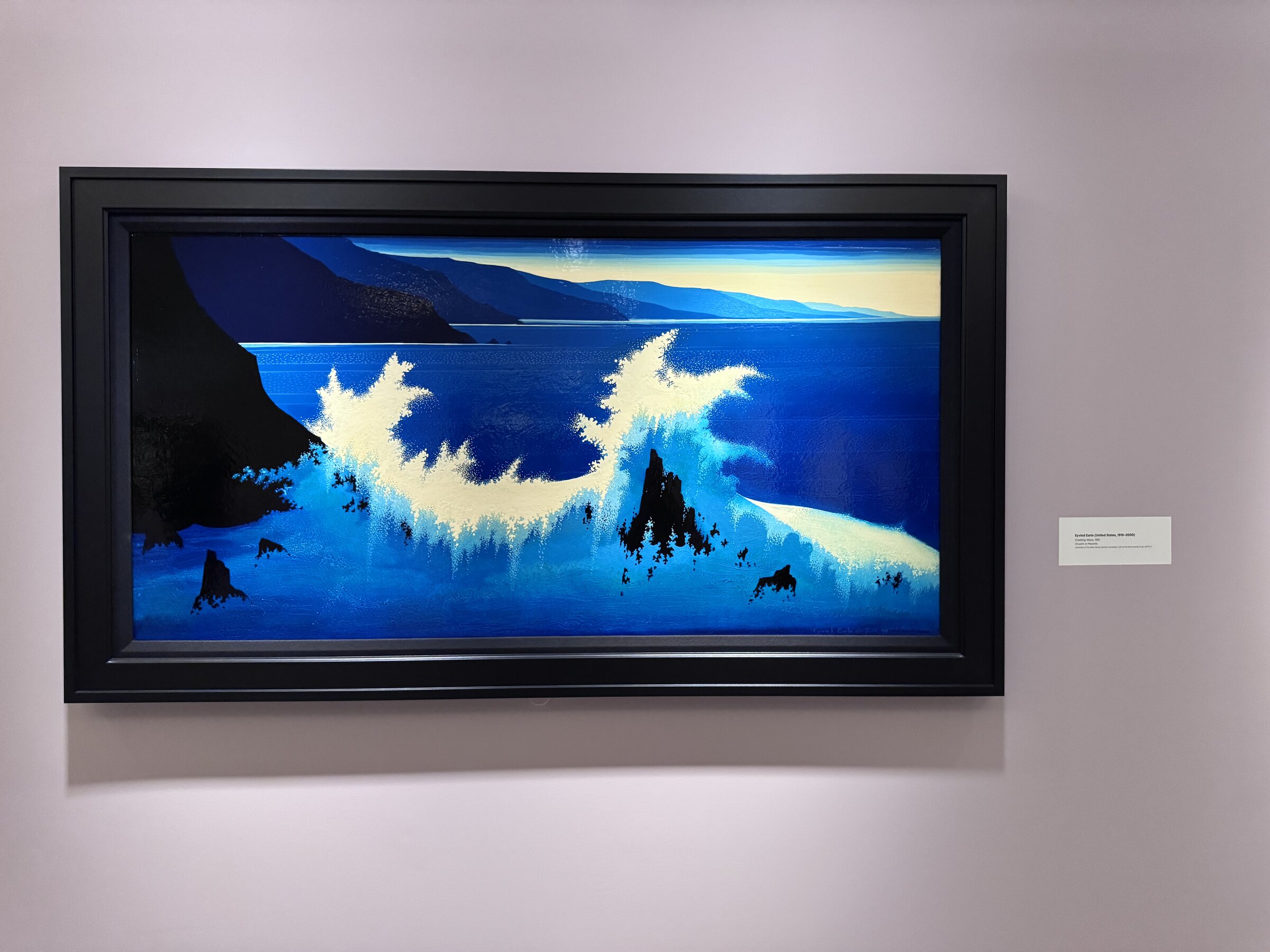
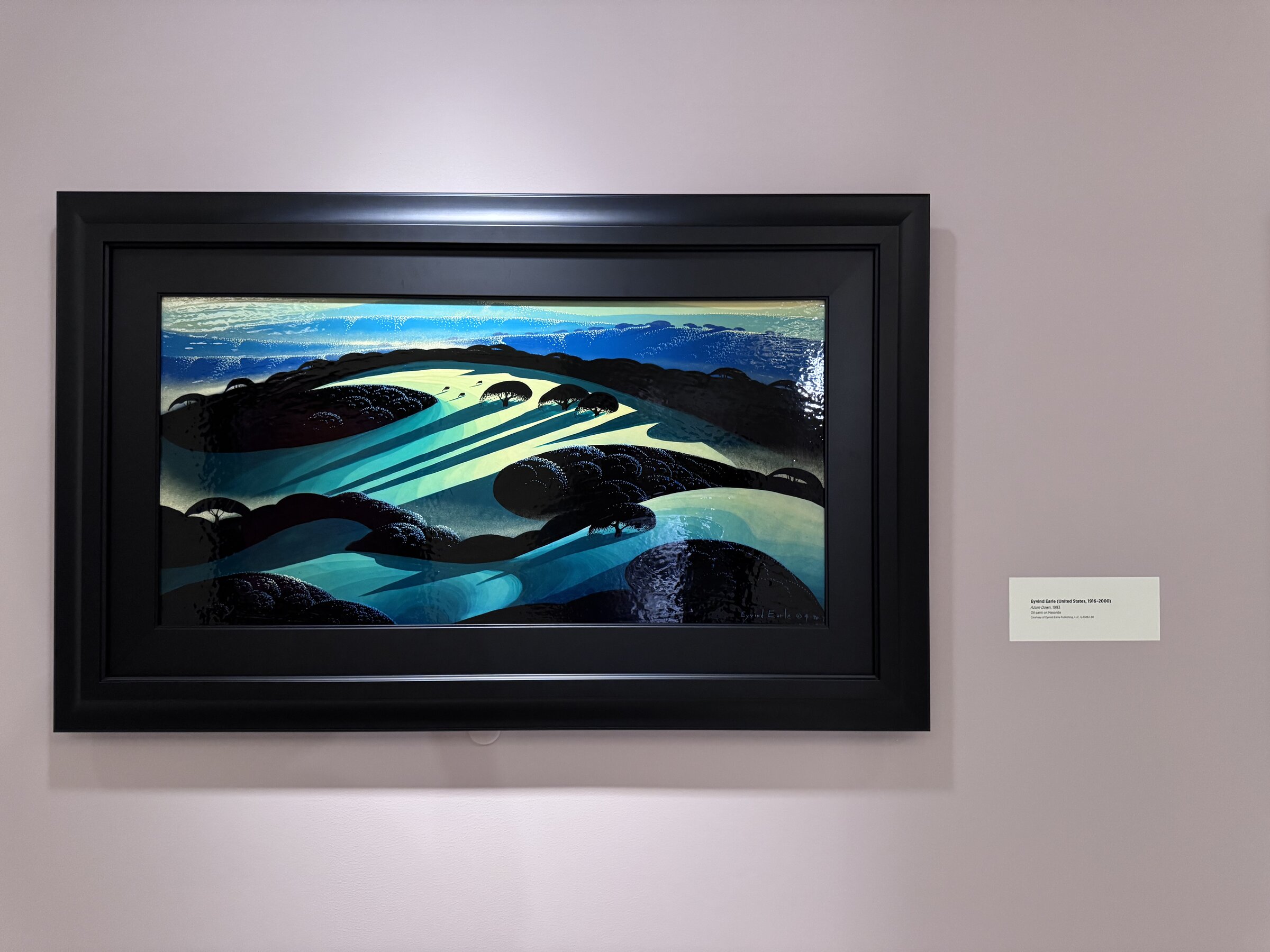
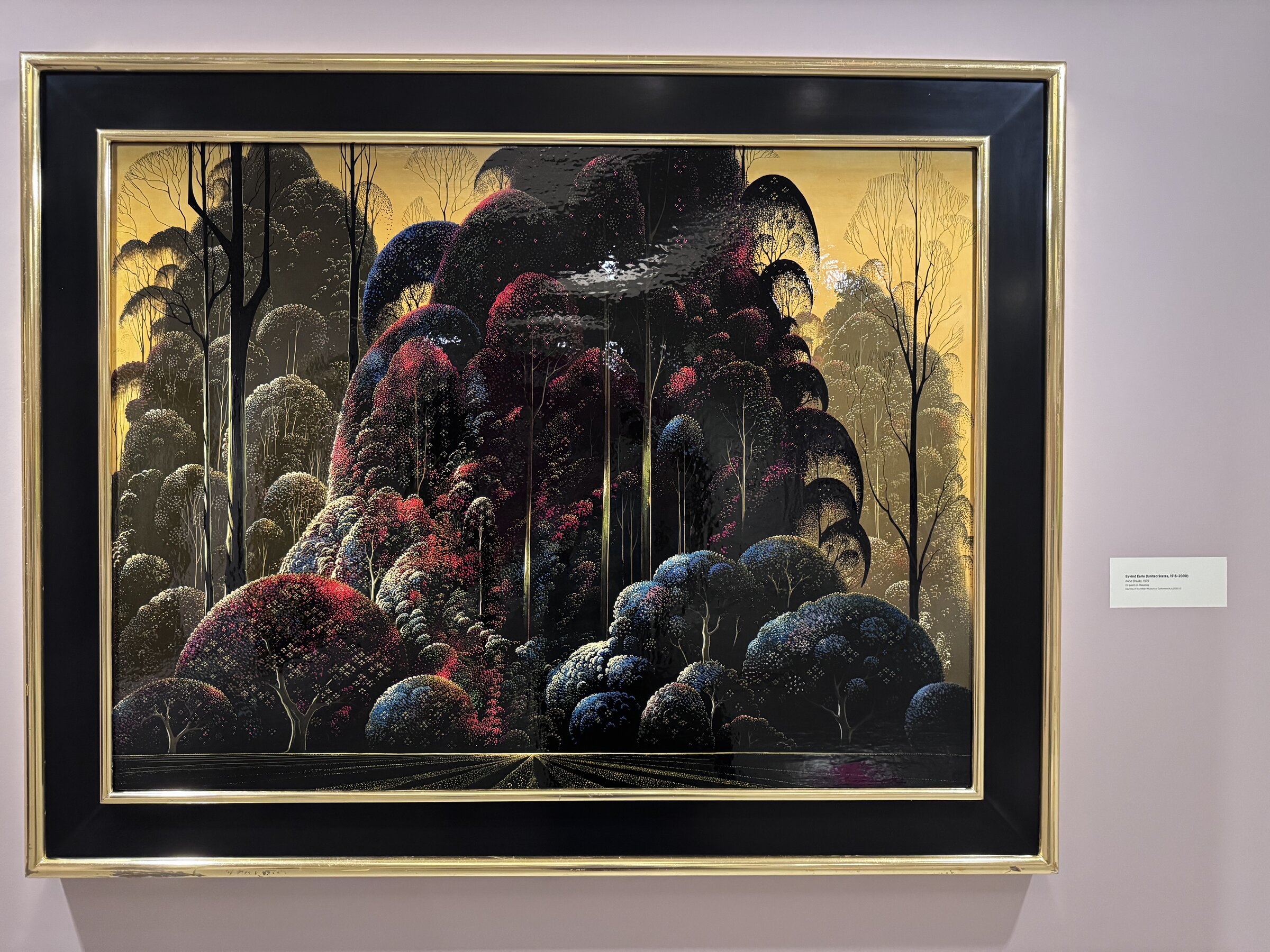
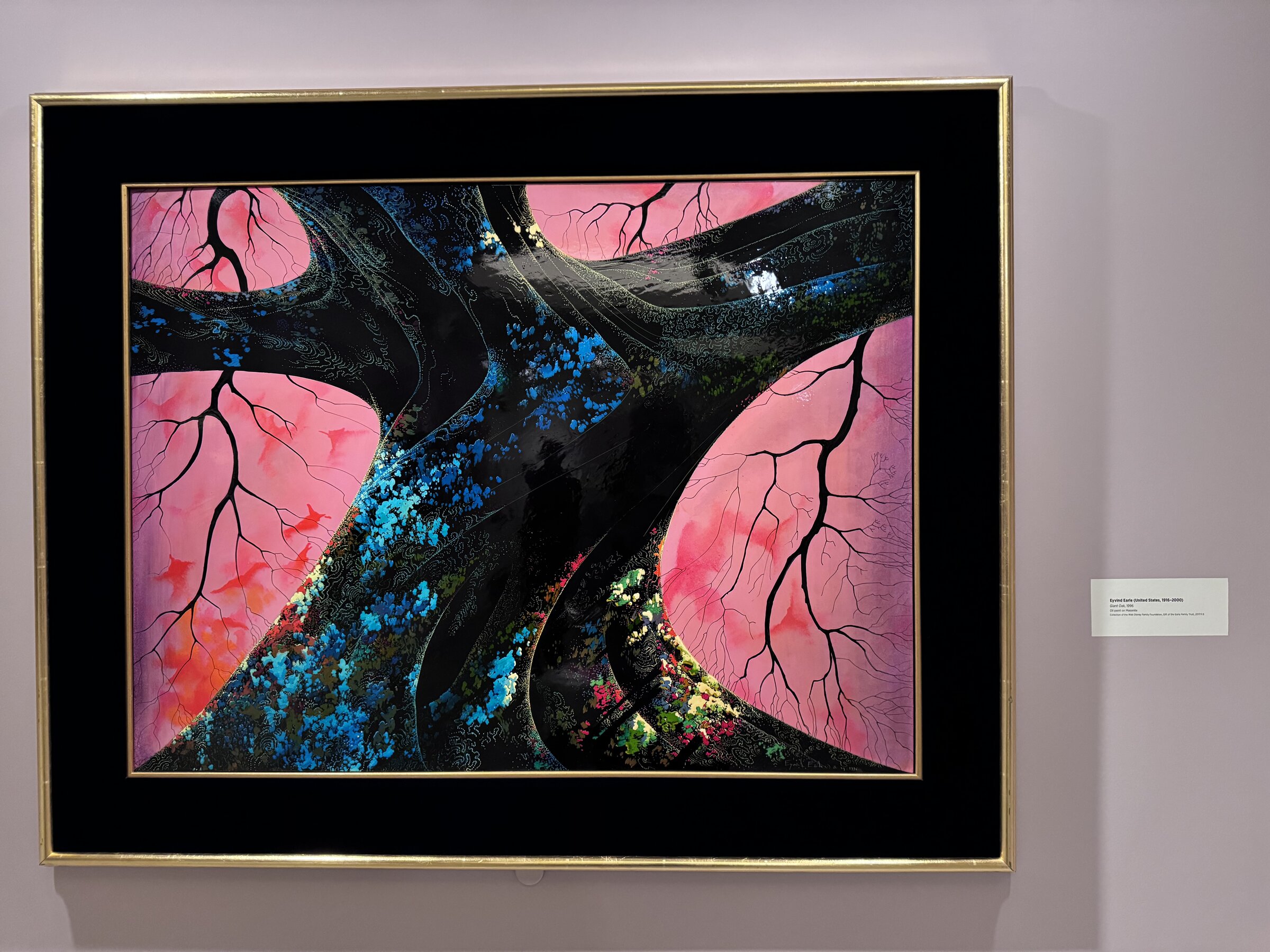
After Disney, Earle founded Eyvind Earle Productions in 1961, which made the Universal Pictures logo along with trailers and commercials for Chrysler, Chevrolet, Motorola and Kellogg’s. He also made a Nativity story for Tennessee Ernie Ford’s 1963 NBC Christmas special and an Easter special the next year, which he saw as his chance at his own “variation of Michelangelo’s Sistine Chapel.” Screens in the galleries play his West Side Story (1961) trailer and a Chevrolet commercial.
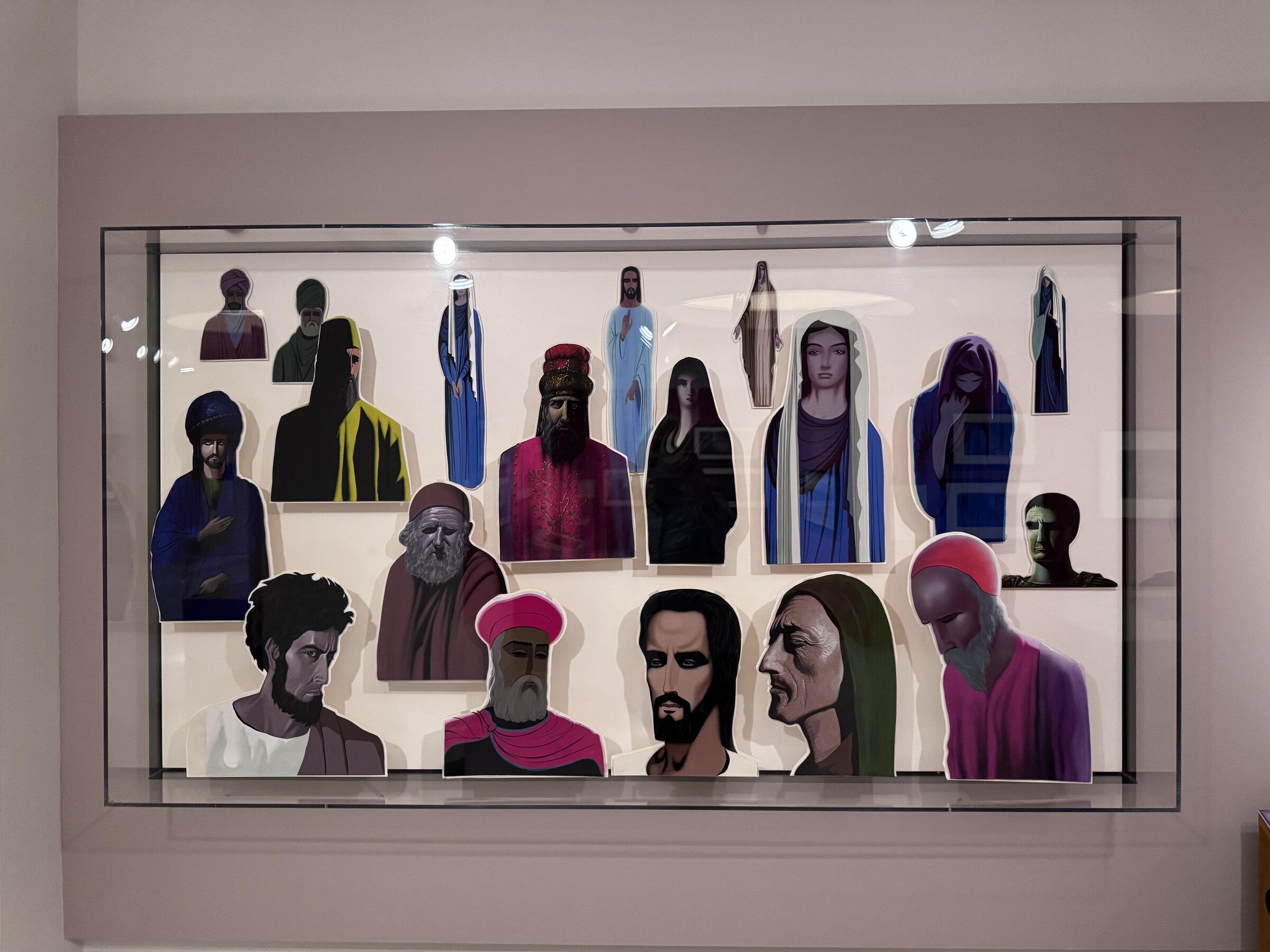
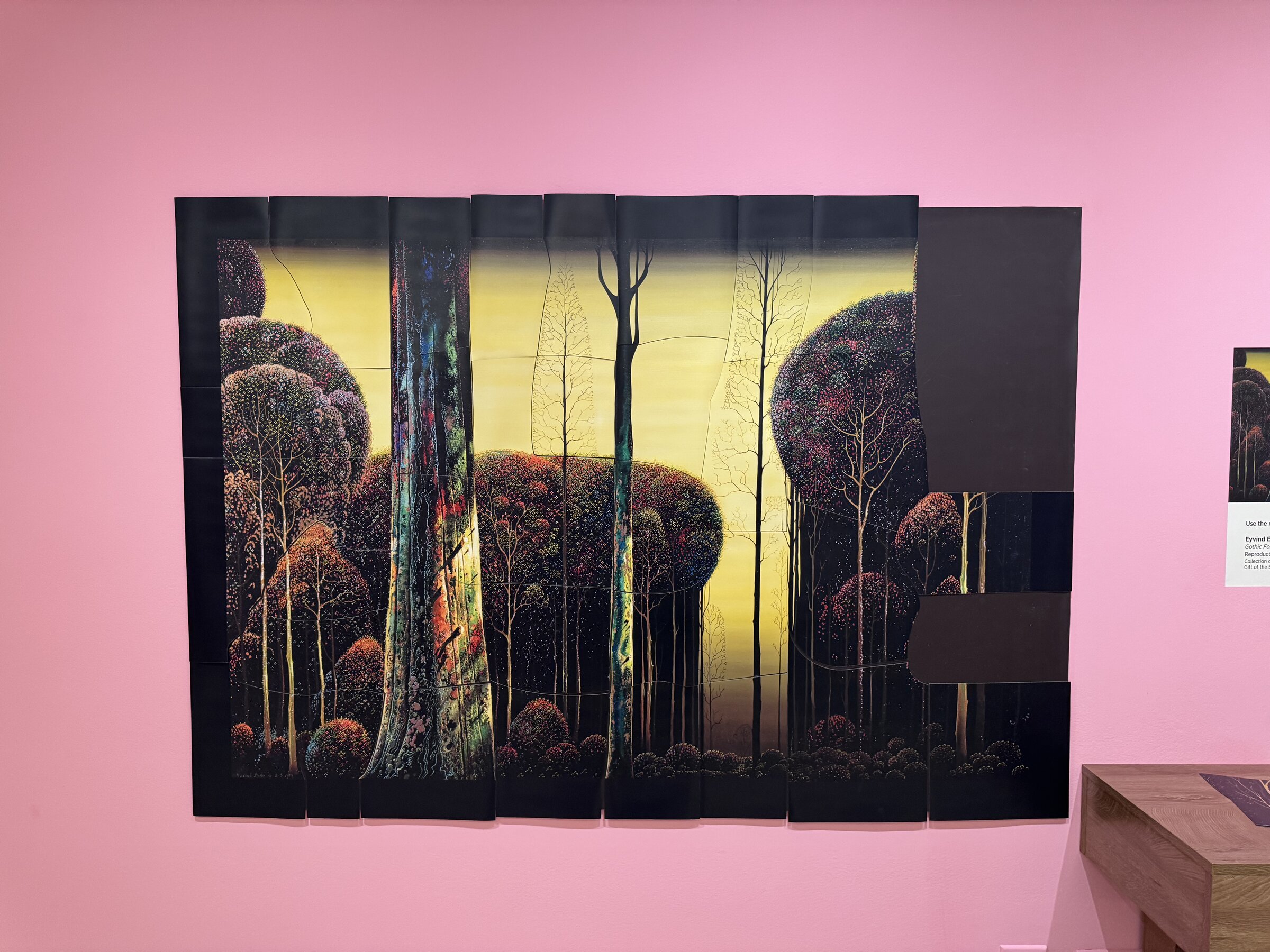
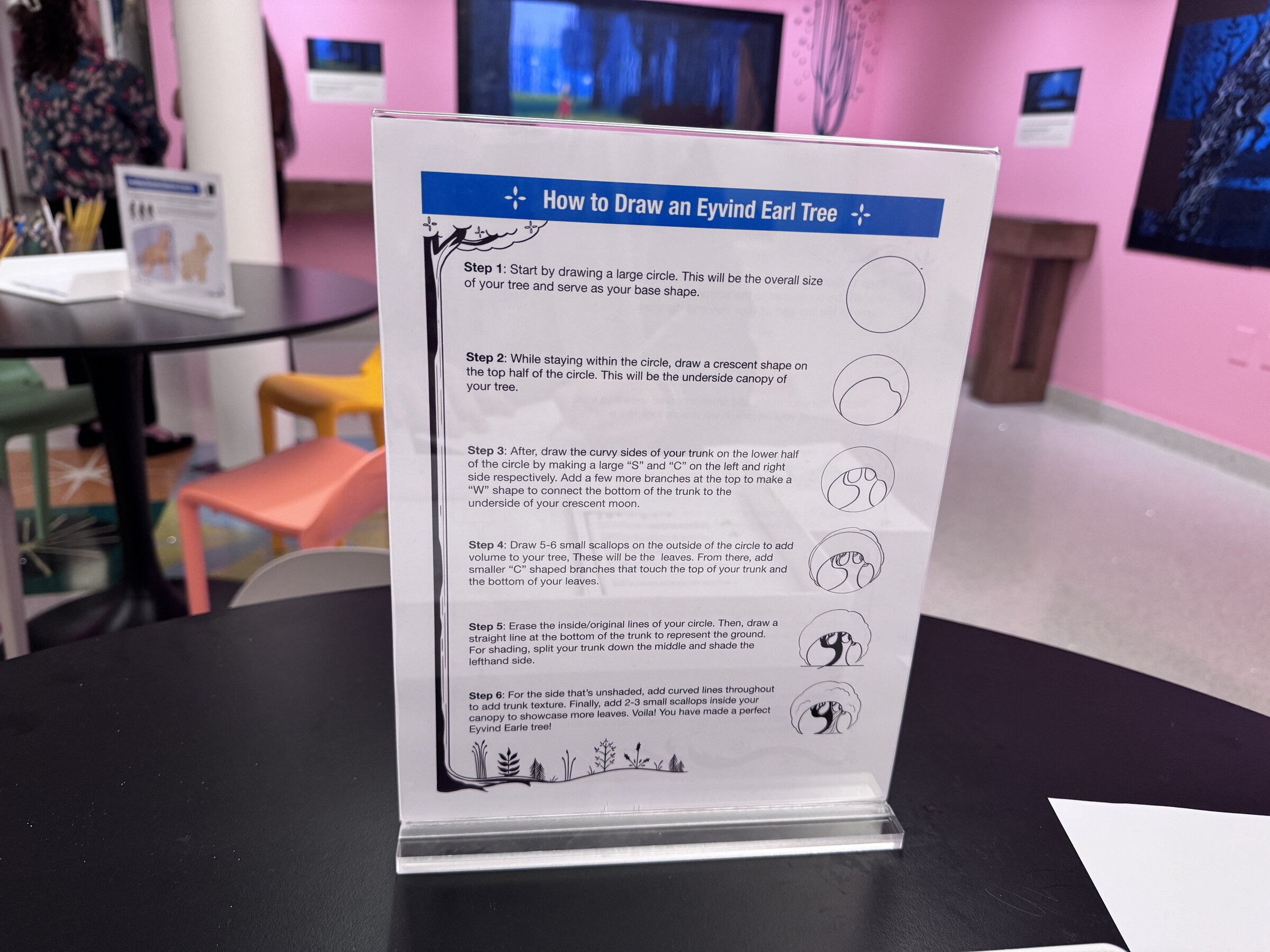
The hands-on side includes wall-size magnetic puzzles of three Earle works: Lady and the Tramp concept art, Sleeping Beauty concept art and his 1979 painting Gothic Forest. There’s also a step-by-step “How to Draw an Eyvind Earle Tree” table and a gesture-drawing station, plus a free gallery in the museum’s Lower Lobby with more art activities.
Earle’s Reach Goes Beyond 1959
His style still shows up in Pocahontas (1995), Frozen (2013) and Le Château de la Belle au Bois Dormant, the Sleeping Beauty Castle at Disneyland Paris, which is celebrating its 35th birthday this year. The angular grove of trees beneath that castle comes straight from his Sleeping Beauty designs. As the show’s final wall puts it, “an artist like Eyvind Earle does not simply grow on trees.”
Tickets, Hours And Location
Exhibition-only admission is $15 for adults, $12 for seniors and students, and $5 for youth. As an add-on to general admission it is $10, $8 and $4. Children 5 and under get into the exhibition free, and general admission is free for members and for active, retired and veteran U.S. military and their dependents with ID. Tickets are on sale at waltdisney.org/tickets.
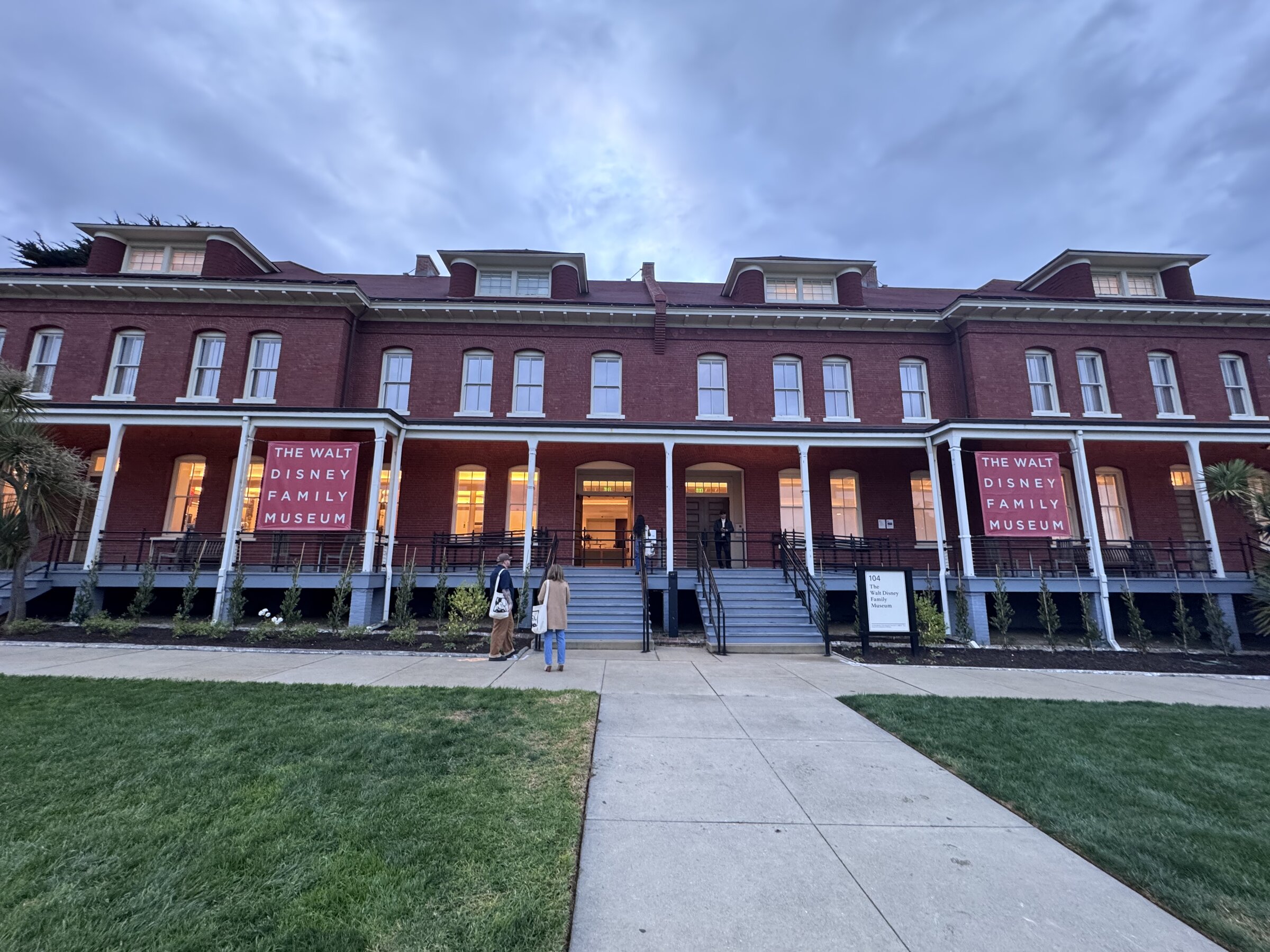
The Walt Disney Family Museum is at 104 Montgomery Street in the Presidio of San Francisco, open Thursday through Sunday from 10 a.m. to 5:30 p.m., with last entry at 4:30 p.m.
For the latest news and updates make sure to follow us on social media! Facebook | Twitter | Threads | Instagram | TikTok