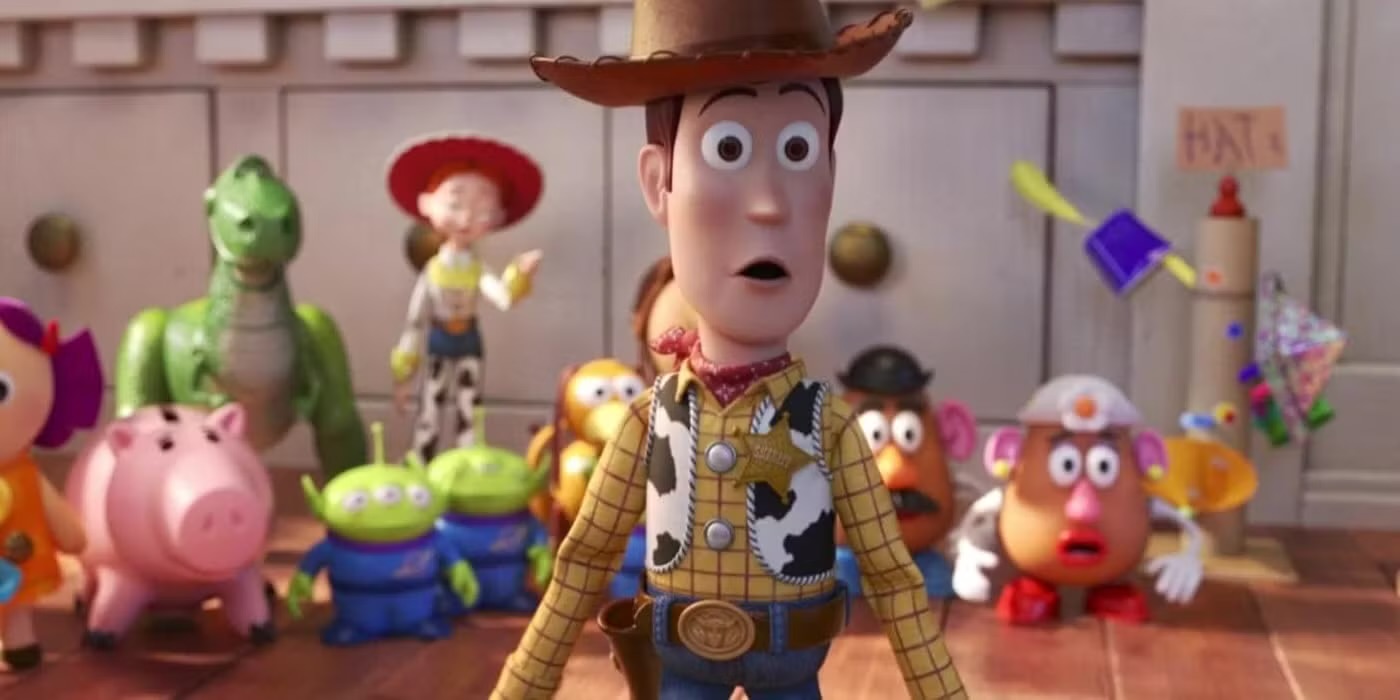
The Toy Story franchise has generated more than $16 billion in revenue for Disney over the past 30 years, according to a new report from Axios. That staggering figure covers everything from box office returns to merchandise, theme park attractions, and licensing deals since the original film debuted in 1995.
Thirty Years of Woody and Buzz
When Pixar released the original Toy Story in November 1995, it changed animation forever. The first fully computer-animated feature film was a critical and commercial sensation, and it launched a franchise that has only grown more valuable with every passing decade. The series now spans five theatrical films, multiple short films and specials, theme park lands, and one of the most recognizable merchandise lineups in entertainment history.
The four films prior to Toy Story 5 collectively earned over $3 billion at the global box office alone. Merchandise, including action figures, plush toys, clothing, and home goods featuring Woody, Jessie, and the rest of the gang, has driven billions more over three decades. Pixar Pier at Disney California Adventure and Toy Story Land at Walt Disney World are among the most popular themed areas at their respective parks, adding a significant ongoing revenue stream through ticket sales, food, and merchandise.
The economic study behind the figure, compiled by impact advisory firm Steward Redqueen, found that nearly half of the revenue, about $7.5 billion, was generated domestically. The report also estimates the franchise has created nearly $50 billion in overall global economic impact, with 81 percent of that impact benefiting non-Disney entities like suppliers, retailers, and small businesses. For a company that paid $7.4 billion to acquire Pixar outright in 2006, the math has worked out spectacularly.
Toy Story 5 Adds to the Legacy
Toy Story 5 opened this month to rave reviews and strong box office numbers, adding a fresh chapter to the franchise’s financial story. The film has already been praised by critics as one of Pixar’s best in years, and its themes of technology versus imagination have resonated with both longtime fans and new audiences. With Taylor Swift’s original song generating its own massive streaming numbers, the cultural footprint of this installment extends well beyond the theater.
The $16 billion figure also reflects the franchise’s remarkable staying power. Unlike many film series that peak early and fade, Toy Story has maintained its cultural relevance across generations. Children who saw the original in theaters in 1995 are now bringing their own kids to see Toy Story 5 in 2026, a testament to the timeless quality of the characters and stories Pixar built.
What’s Next for the Franchise
With Toy Story 5 performing well and a new generation of fans now discovering the series, Disney and Pixar are well positioned to keep this franchise generating returns for years to come. The characters have already begun refreshing their theme park presence alongside the new film, with Woody and Jessie debuting new Toy Story 5 looks at Disney parks, showing how quickly the studio moves to expand the franchise’s footprint with each new installment.
Thirty years in, Toy Story shows no signs of slowing down.
For the latest news and updates make sure to follow us on social media! Facebook | Twitter | Threads | Instagram